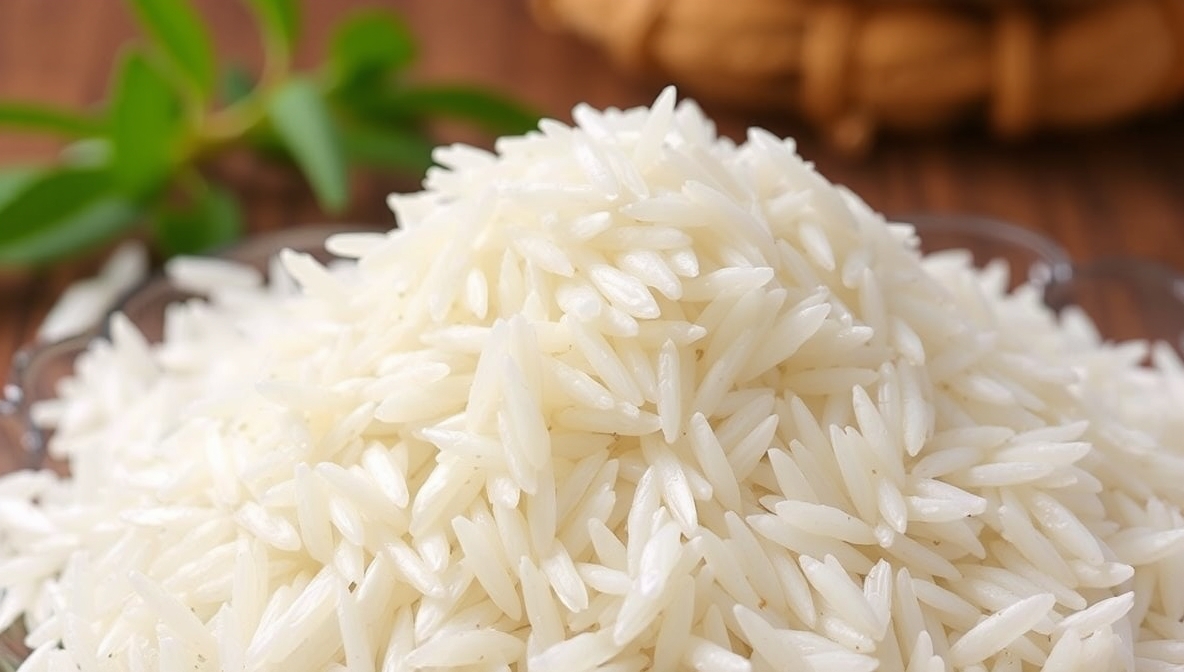
Basmati rice is one of the most famous types of rice in the world. Known for its long, slender grains and sweet smell, basmati rice is often called the “queen of fragrance.” People love using it for dishes like biryani, pilaf, and fried rice because it stays fluffy and separate after cooking. This special rice mostly grows in India and Pakistan, where the soil and weather make it taste and smell perfect. Many families use basmati rice daily because it is light, easy to digest, and makes every meal feel extra special.
Basmati rice is not just delicious — it is also healthy. It gives energy, has fewer carbs than some other rice types, and helps in keeping the stomach full for longer. There are many kinds of basmati rice, like white basmati and brown basmati, each with its own flavor and health value. Whether you are cooking a family dinner or a grand feast, basmati rice always brings a soft texture and rich aroma to your plate. In this blog, we will explore its types, benefits, cooking tips, and why basmati rice is loved all over the world.
The Origin Story of Basmati Rice: From Fields to Kitchen
Basmati rice has a long and beautiful history. The word “Basmati” comes from the Hindi word “bas,” meaning aroma, and “mati,” meaning full of. This means “full of fragrance,” which truly describes this rice. Farmers have been growing basmati rice in the foothills of the Himalayas for hundreds of years. The pure mountain water and fertile soil help it grow with that special aroma that no other rice has. Over time, basmati rice became a part of royal meals and was known as a grain fit for kings and queens. Today, basmati rice is exported all over the world and used in kitchens across Asia, Europe, and America. It’s not just food — it’s a piece of culture and tradition that connects people.
Different Types of Basmati Rice You Should Know
There are many kinds of basmati rice, each with its own taste, texture, and color.
- White Basmati Rice – This is the most common type. It has a clean, white look and a soft flavor. It cooks fast and is great for daily meals.
- Brown Basmati Rice – This one keeps its outer layer, called the bran. It has more fiber and is good for health. The taste is a bit nutty, and it takes longer to cook.
- Golden Basmati Rice – Slightly aged and polished, this rice is known for its golden shine and stronger smell.
- Organic Basmati Rice – Grown without chemicals, it’s perfect for people who prefer natural and healthy eating.
Each type of basmati rice brings a different charm to the table. Choosing the right one depends on your recipe and taste.
Health Benefits of Basmati Rice for Everyday Meals

Basmati rice is not only tasty but also healthy. It gives your body energy without making you feel heavy. Brown basmati rice is rich in fiber, which helps with digestion and keeps your stomach happy. It also helps in controlling blood sugar because it has a lower glycemic index than other rice types. This means it slowly releases energy and doesn’t cause sudden sugar spikes. Basmati rice also has essential nutrients like vitamin B, magnesium, and iron. It’s gluten-free, so people who can’t eat gluten can enjoy it without worry. Eating basmati rice in a balanced way can support weight management and heart health.
How to Cook Perfect Basmati Rice Every Time
Cooking basmati rice may look easy, but doing it right brings out its best flavor and texture. Here’s how you can cook perfect basmati rice:
- Rinse the Rice – Wash the rice in cold water 2–3 times to remove excess starch. This helps the grains stay separate.
- Soak It – Soak the rice in water for 20–30 minutes before cooking. This helps the grains grow longer.
- Boil Gently – Add 1 cup of rice to 1½–2 cups of water. Boil it on medium heat until most of the water is gone.
- Steam It – Cover the pot and let the rice sit on low heat for 5–10 minutes. This makes it fluffy and aromatic.
When done right, the rice will be soft, long, and full of fragrance — perfect for any meal.
White Basmati vs Brown Basmati Rice: Which Is Better?
Both white and brown basmati rice are good, but they serve different needs. White basmati rice cooks faster, has a mild flavor, and looks elegant on the plate. It’s great for parties and biryanis. Brown basmati rice, on the other hand, keeps more nutrients because it’s less processed. It’s rich in fiber, vitamins, and minerals, which make it better for digestion and heart health. If you want more nutrition, go for brown basmati. But if you prefer soft and quick-cooking rice, white basmati is perfect. You can also mix both types to get a healthy yet tasty balance.
Tasty Recipes You Can Make with Basmati Rice
There are endless dishes you can make with basmati rice. Here are a few favorites:
- Vegetable Biryani – A mix of colorful vegetables, spices, and basmati rice makes a royal dish.
- Chicken Pulao – Lightly spiced rice with chicken pieces — perfect for lunch or dinner.
- Jeera Rice – Simple rice with cumin seeds and ghee, goes great with curries.
- Lemon Rice – A South Asian favorite made with lemon juice, curry leaves, and peanuts.
- Sweet Rice (Kheer) – A dessert made with milk, sugar, and basmati rice — sweet and comforting.
Basmati rice is flexible and can be used in both savory and sweet dishes, making it a kitchen favorite.
How to Store Basmati Rice to Keep Its Aroma Fresh
To keep the fragrance and quality of basmati rice, store it the right way. Always put it in an airtight container away from sunlight and moisture. If you live in a humid place, add a few dry bay leaves inside the container — they help prevent bugs. A cool and dry cabinet is the best place for storing rice. Proper storage keeps the rice fresh and aromatic for a long time.
Why Basmati Rice Is a Smart Choice for a Healthy Diet
If you are looking for a grain that’s light, tasty, and healthy, basmati rice is the best choice. It has a natural aroma that makes every meal more enjoyable. Its low fat, high fiber (especially in brown basmati), and slow-releasing energy make it great for people who want to stay fit and active. It’s also gluten-free and easy on the stomach. Whether you are making spicy dishes or mild ones, basmati rice fits perfectly into a balanced diet.
Conclusion
Basmati rice is more than just rice — it’s a blend of aroma, health, and tradition. From royal kitchens to home-cooked meals, it brings flavor and happiness to every plate. With its long grains, sweet smell, and soft taste, basmati rice truly stands out among all rice types. No matter which type you choose — white or brown — you’ll enjoy a meal that’s tasty, healthy, and satisfying.
FAQs
1. What makes basmati rice different from other rice?
Basmati rice is longer, softer, and has a natural sweet aroma that other rice types don’t have.
2. Is basmati rice healthy to eat every day?
Yes, it’s healthy and light. Brown basmati rice has more fiber, while white basmati is easy to digest.
3. How should I cook basmati rice to make it fluffy?
Soak it before cooking, use the right amount of water, and let it steam after boiling.